
.svg)
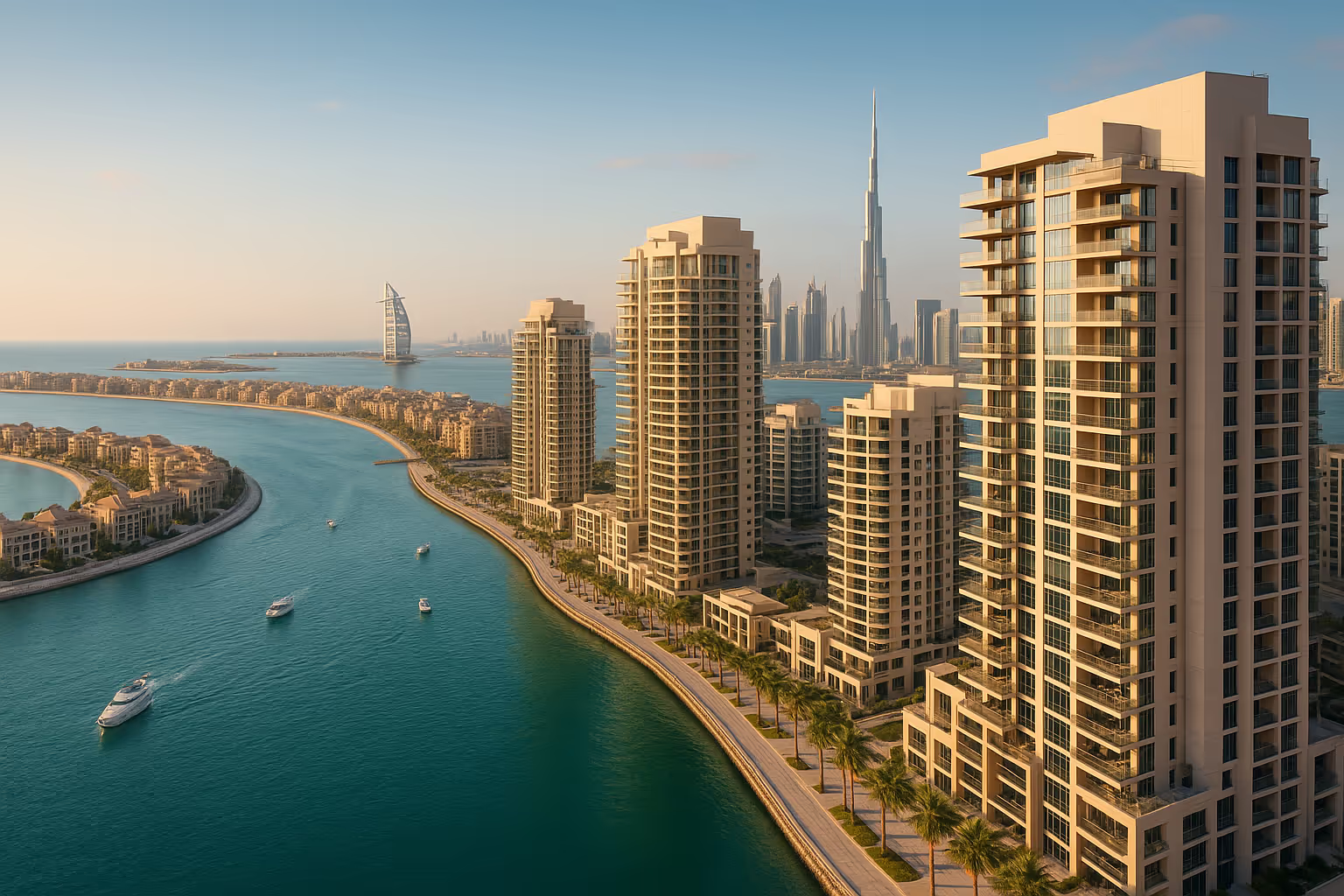
De complete gids voor de beste locaties voor vastgoed in Dubai
De Beste Locaties voor Vastgoed in Dubai Introductie Dubai staat wereldwijd bekend als een aantrekkelijke bestemming voor vastgoedkopers en…
 8 Minuten Leestijd
 Sandjai
De Beste Locaties voor Vastgoed in Dubai
Introductie
Dubai staat wereldwijd bekend als een aantrekkelijke bestemming voor vastgoedkopers en investeerders. Of je nu op zoek bent naar een woning om te genieten van zon, zee en luxe, of streeft naar hoge huurinkomsten: de keuze van de juiste wijk is cruciaal. De beste locaties voor vastgoed in Dubai zijn verspreid over verschillende buurten, elk met een eigen karakter, voorzieningen en rendementspotentieel. In deze gids ontvang je een diepgaand overzicht van waar in Dubai je het beste kunt investeren of wonen. We bespreken factoren zoals veiligheid, bereikbaarheid, demografie en infrastructuur, zodat je een goed onderbouwde beslissing kunt nemen. We gaan ook in op het belang van groeiende bevolkingscijfers en toekomstvisieprojecten, zoals het veelbesproken Dubai 2040 Masterplan. Deze informatie helpt je beter voorbereid de Dubaise vastgoedmarkt te betreden.
Of het nu gaat om een modern appartement in Dubai Marina, een luxe penthouse in Downtown Dubai of een villa op Palm Jumeirah: de locatie, faciliteiten en prijsontwikkelingen spelen altijd een significante rol. Het Dubai Land Department houdt toezicht op de regelgeving en zorgt voor transparantie, maar het is aan je om de juiste buurt te kiezen. In deze uitgebreide blog bespreken we waarom locatie zo belangrijk is, hoe je potentieel rendement kunt beoordelen en wat de veiligheidsaspecten zijn. Zo ontdekt je waarom zoveel buitenlandse investeerders, waaronder veel Europeanen, hun kans grijpen in Dubai. We putten uit bronnen zoals Global Property Guide, Deloitte en Gulf News.
Het Belang van Locatie
De keuze van de juiste locatie is een essentieel onderdeel van het aankoopproces van vastgoed in Dubai. Een buurt met een gunstige ligging kan het verschil maken tussen een matig en een uitstekend rendement. Denk aan de nabijheid van belangrijke vervoersknooppunten, zoals metrostations of snelwegen, maar ook aan essentiële voorzieningen zoals supermarkten, scholen en zorgfaciliteiten. Expats die met hun gezin verhuizen, letten bijvoorbeeld goed op de beschikbaarheid van internationale scholen en recreatieve faciliteiten. Wie primair wil investeren in vastgoed, richt zich op buurten met een hoge huurvraag en een consistente waardestijging.
Op de middellange en lange termijn spelen ook strategische ontwikkelingen in Dubai een rol. Grootschalige bouwprojecten, verbeterde infrastructuur en nieuwe metrolijnen kunnen de waarde van een buurt aanzienlijk verhogen. Als je een appartement overweegt in een opkomend gebied, kan de prijs nog relatief laag zijn. Maar zodra de buurt bekendheid krijgt of een nieuwe metrolijn opent, stijgen de waarden vaak fors. Lees voor meer informatie over verwachte groei en de impact op de woningmarkt ook de inzichten in onze blog over de bevolkingsgroei van Dubai. Daar leest je hoe demografische toenames de woningvraag en prijsontwikkelingen beïnvloeden.
Voor investeerders is het niet alleen belangrijk waar je koopt, maar ook hoe de regelgeving is ingericht. In Dubai worden juridische richtlijnen en makelaarsregistraties nauwlettend bewaakt door het Dubai Land Department. Bovendien werkt het emiraat actief aan het aantrekken van buitenlandse investeerders. Dit blijkt uit belastingvoordelen, gestroomlijnde visumprocedures en stimuleringsmaatregelen om mensen te motiveren hier te komen wonen. Als je specifiek overweegt met je gezin te verhuizen, raadpleeg dan onze praktische tips in deze visumgids voor Nederlandse burgers.
Populaire Wijken in Dubai
Dubai Marina
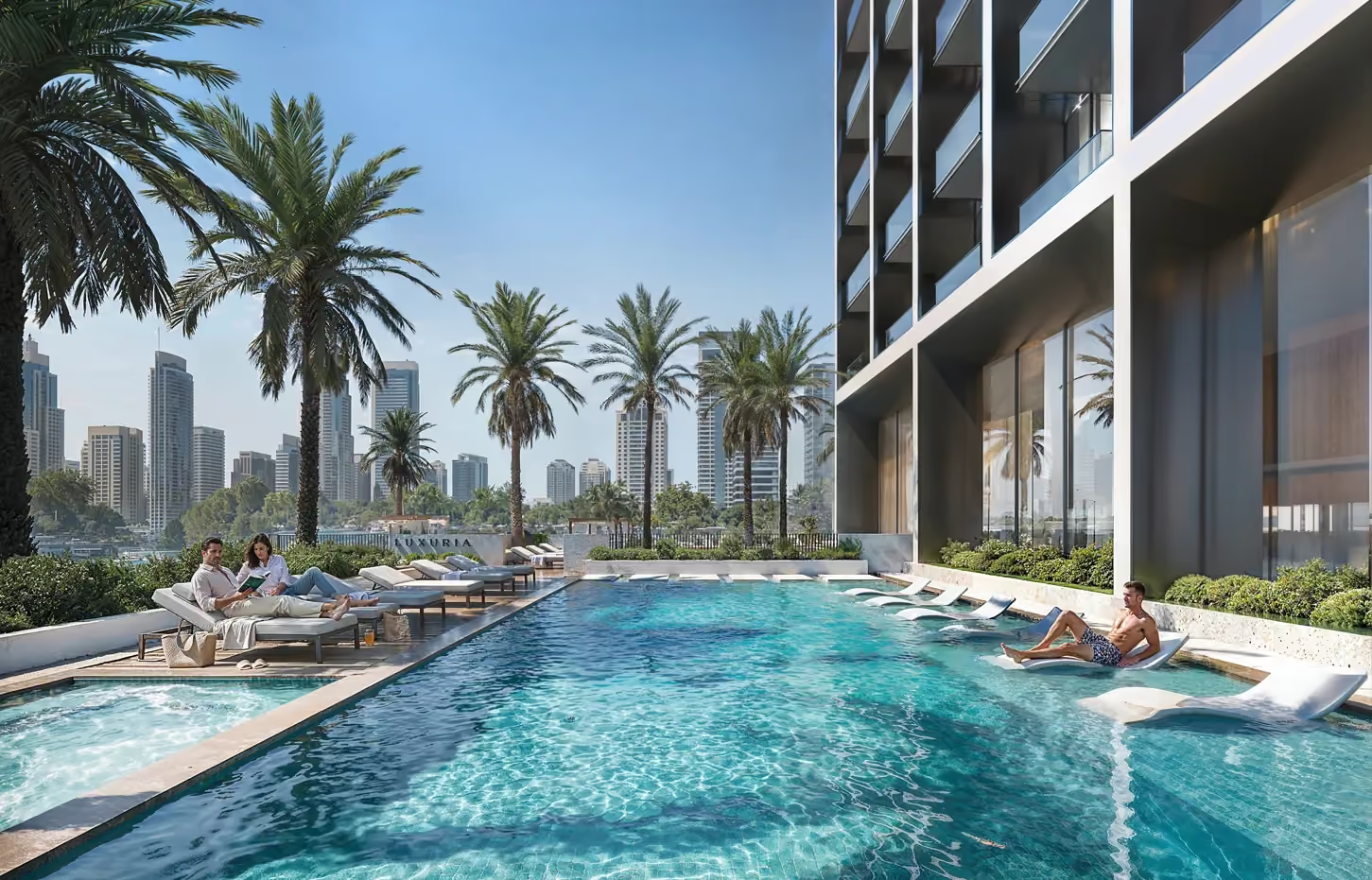
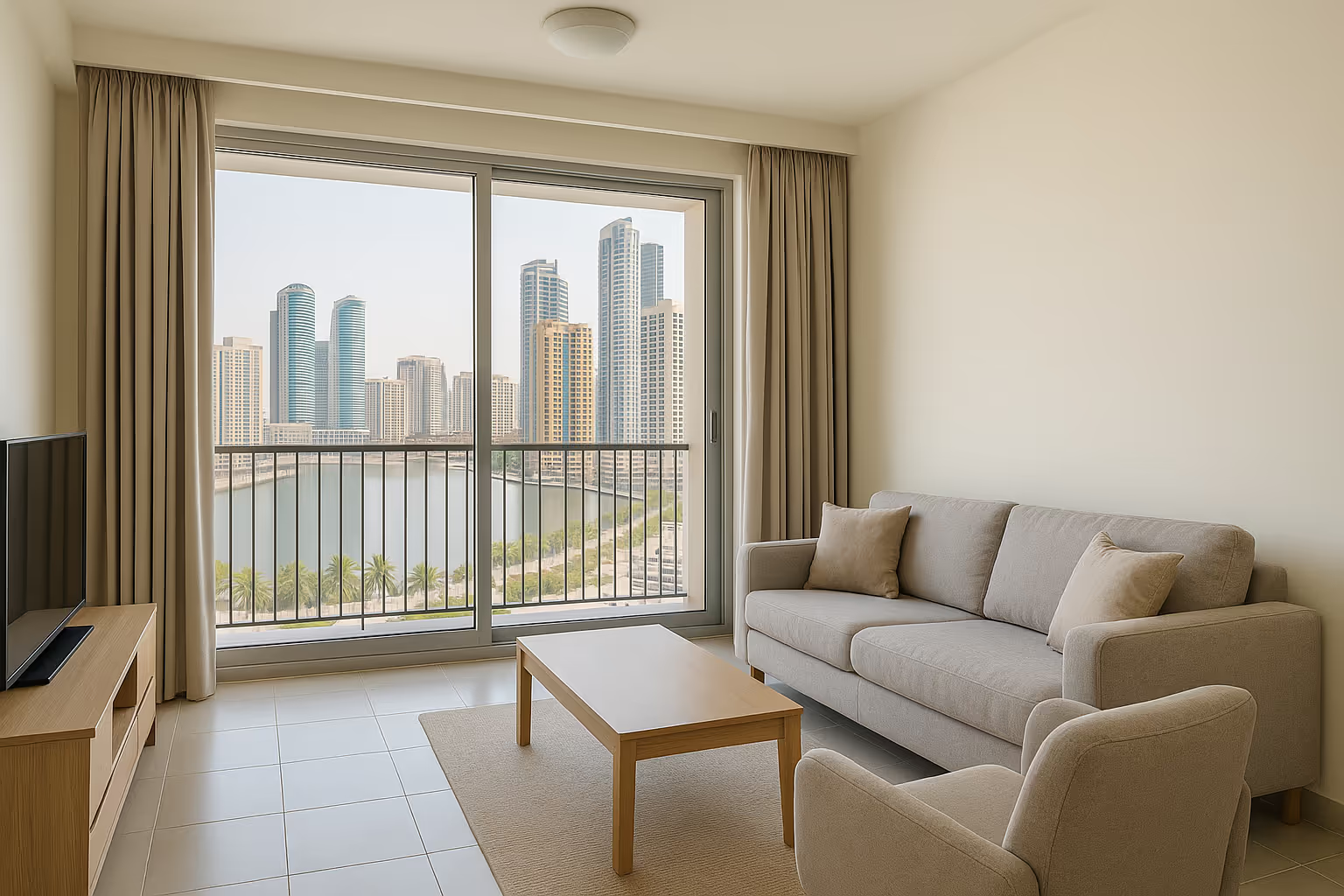
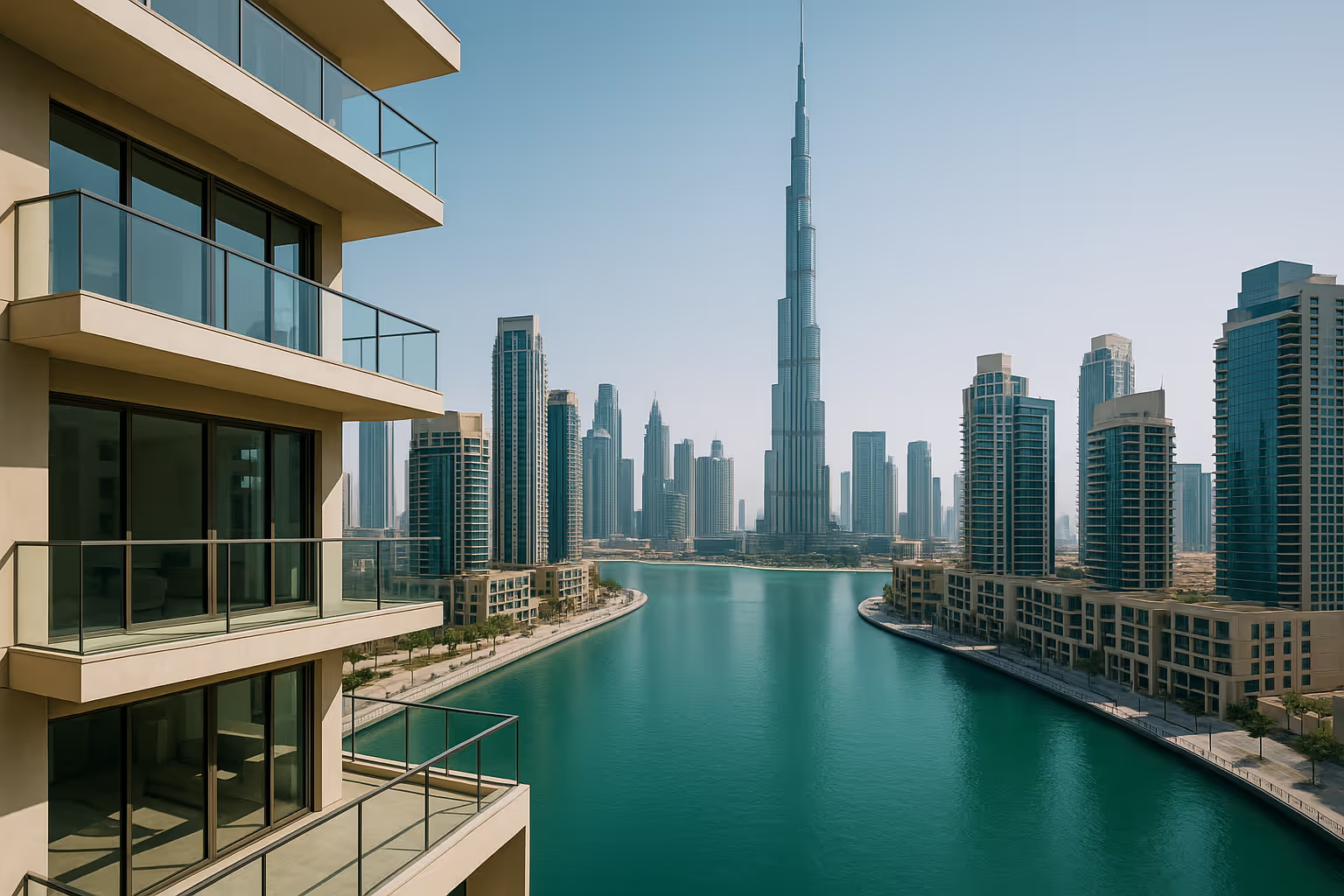
Dubai Marina is een van de meest iconische waterfrontwij ken ter wereld. De wolkenkrabbers rijzen op langs het door mensen gemaakte kanaal, waar je elegante jachten en moderne woongebouwen vindt. Deze buurt staat bekend om zijn levendige boulevard vol restaurants, cafés en winkels. Voor jonge professionals en expats die genieten van een dynamische stedelijke levensstijl is dit een uitstekende plek om te wonen. Bovendien is Dubai Marina uitstekend verbonden via metrolijnen en grote wegen, wat het handig maakt voor mensen die elders in Dubai werken maar willen genieten van een moderne woonomgeving.
Investeren in Dubai Marina kan aantrekkelijk zijn vanwege de hoge huurprijzen en de consistente vraag. Veel expats en zakenreizigers kiezen bewust voor deze buurt vanwege de ligging en de uitgebreide recreatiemogelijkheden. Gulf News meldt ook dat de aanhoudende populariteit van moderne hoogbouwprojecten de vastgoedprijzen in dit gebied de komende jaren verder omhoog kan drijven. Voor een gedetailleerd overzicht van vastgoedbeheer en huurregelgeving in dit gebied kun je de inzichten raadplegen in onze post over vastgoedbeheer in Nederland versus Dubai.
Downtown Dubai
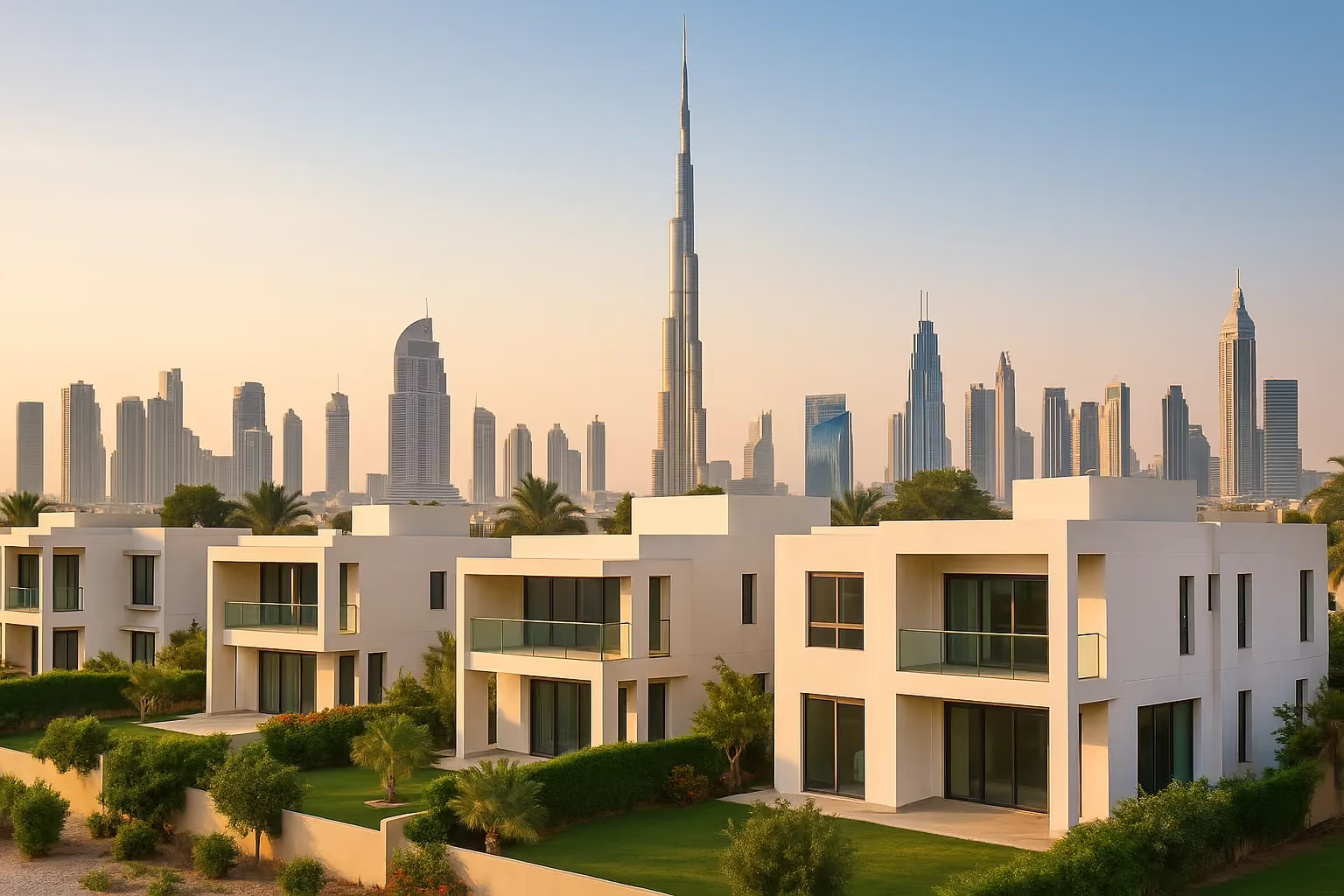
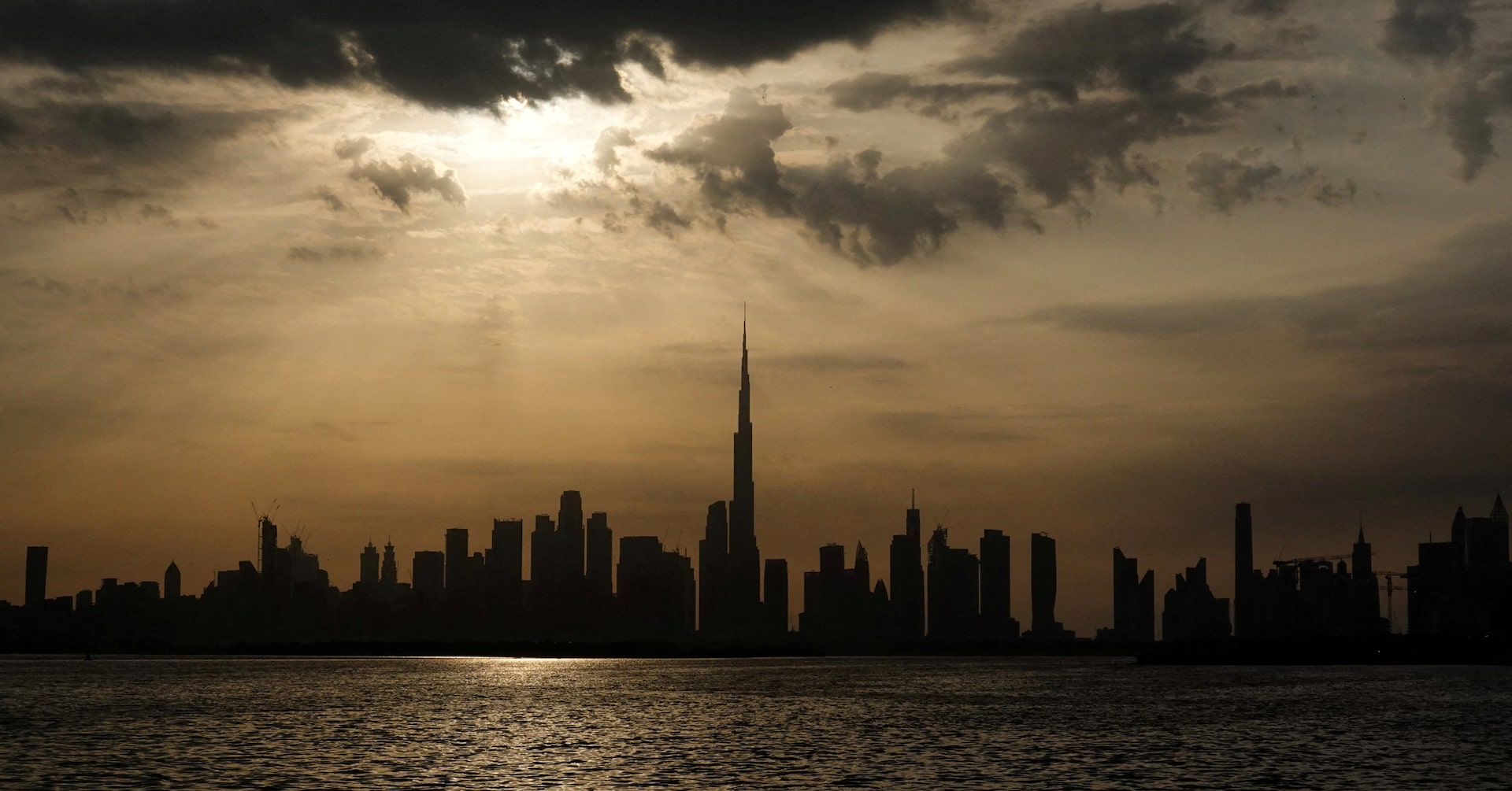
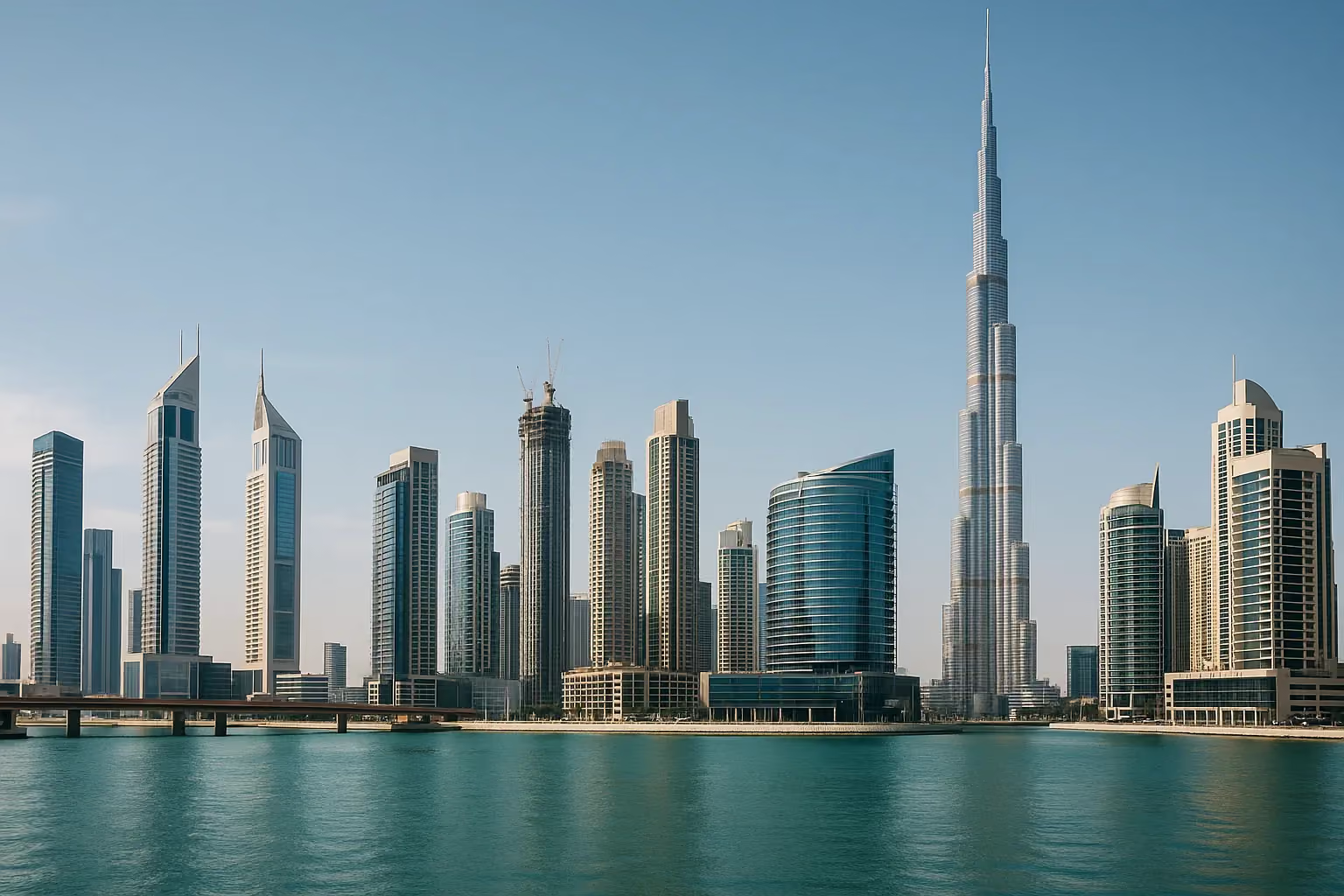
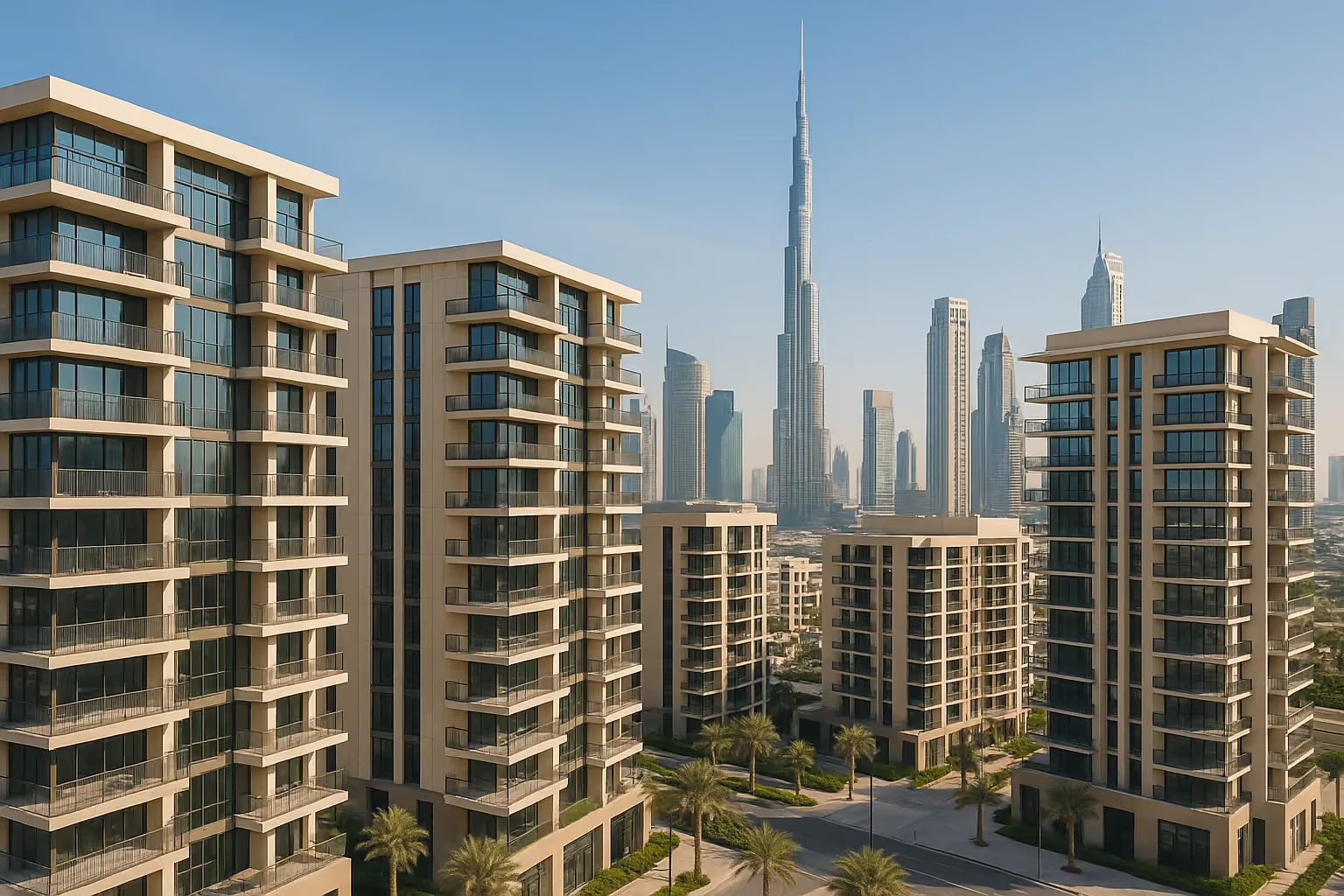
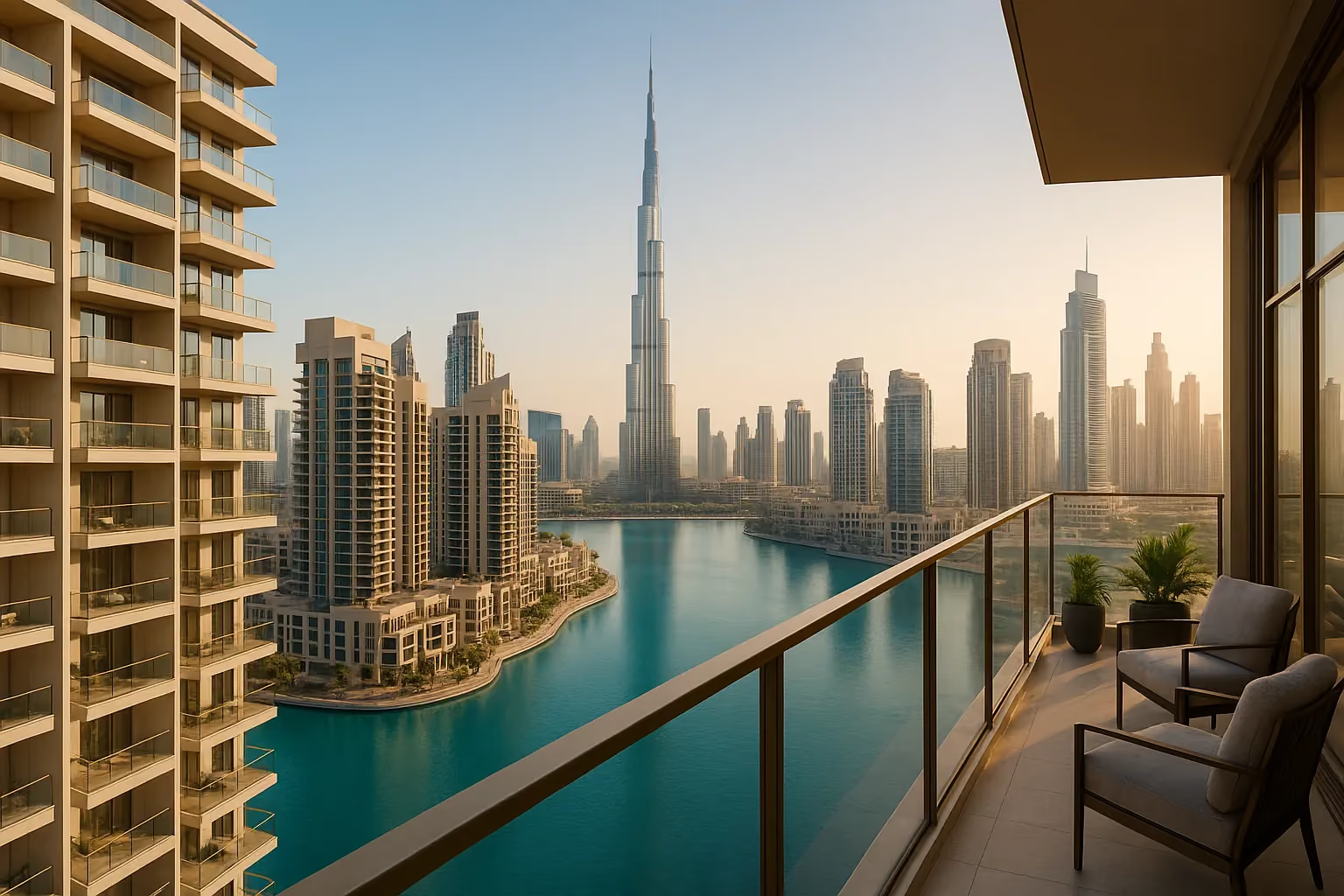
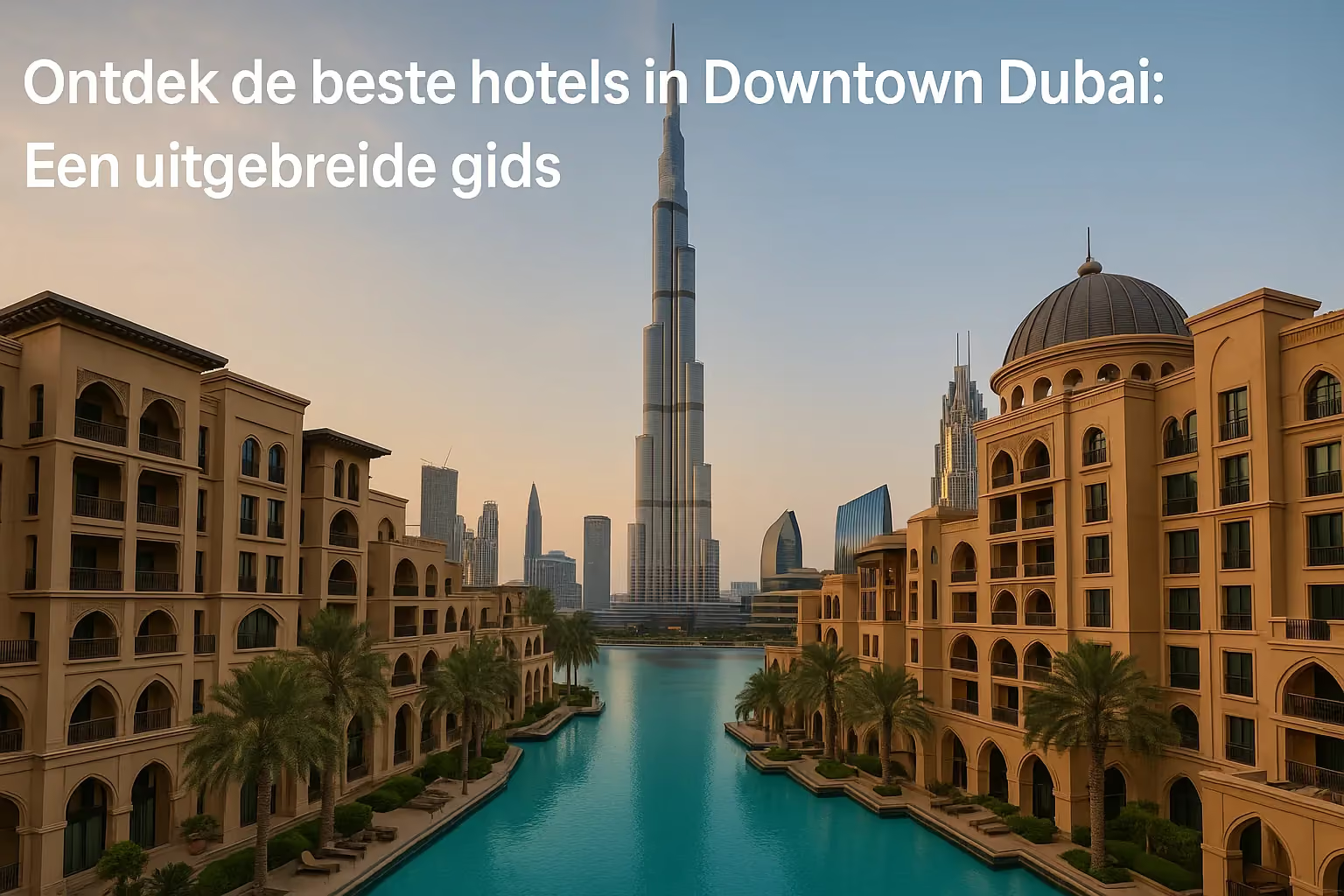
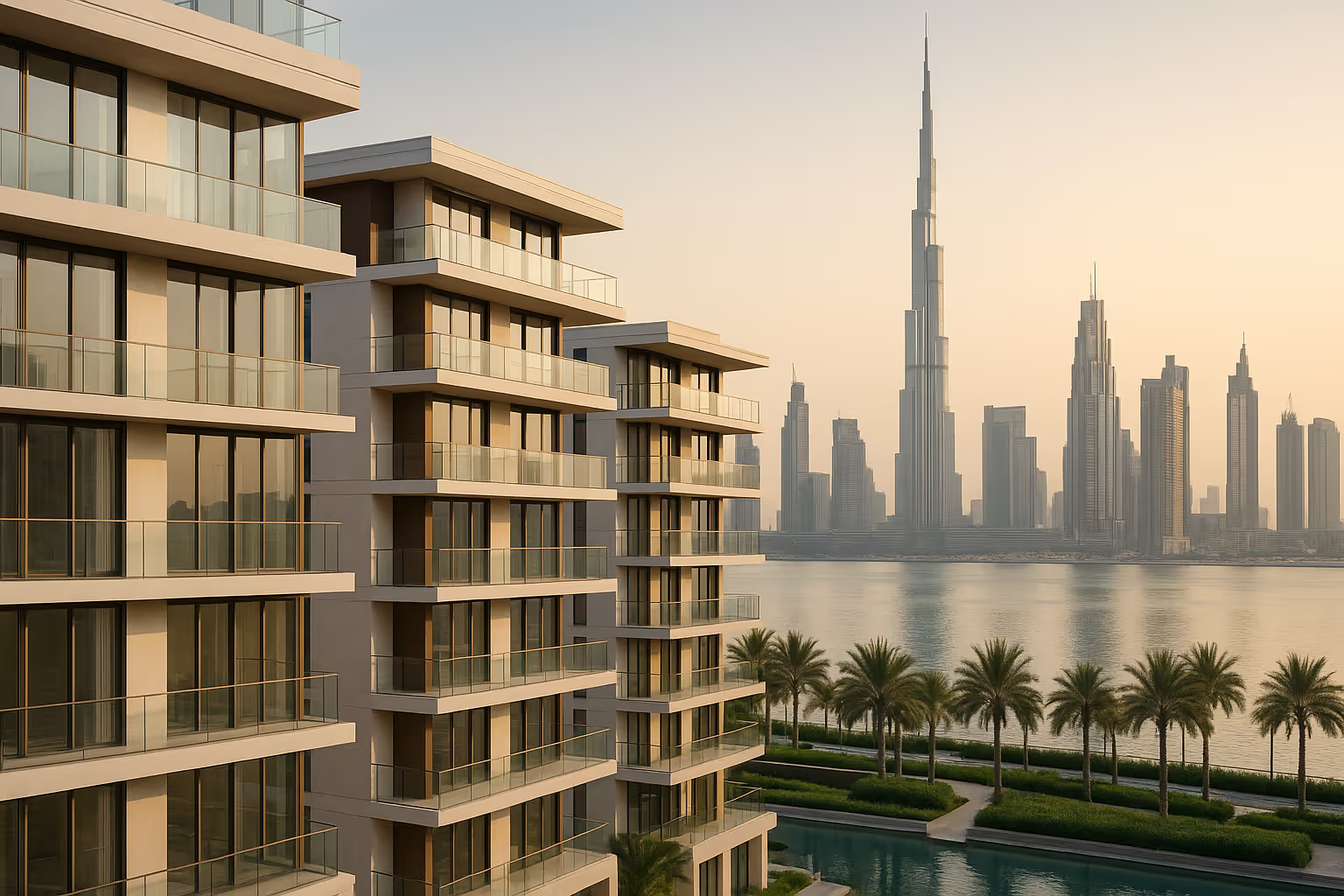
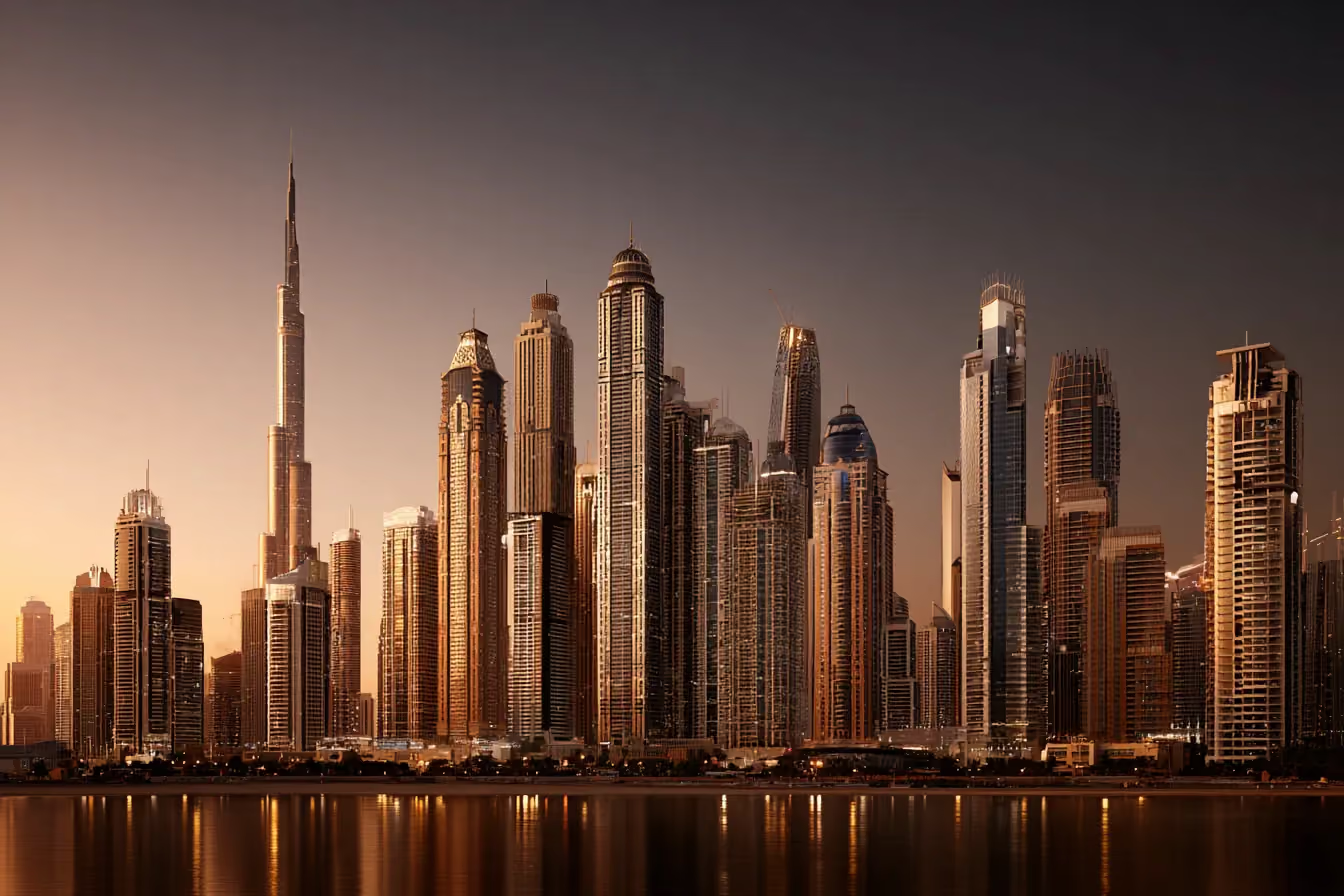
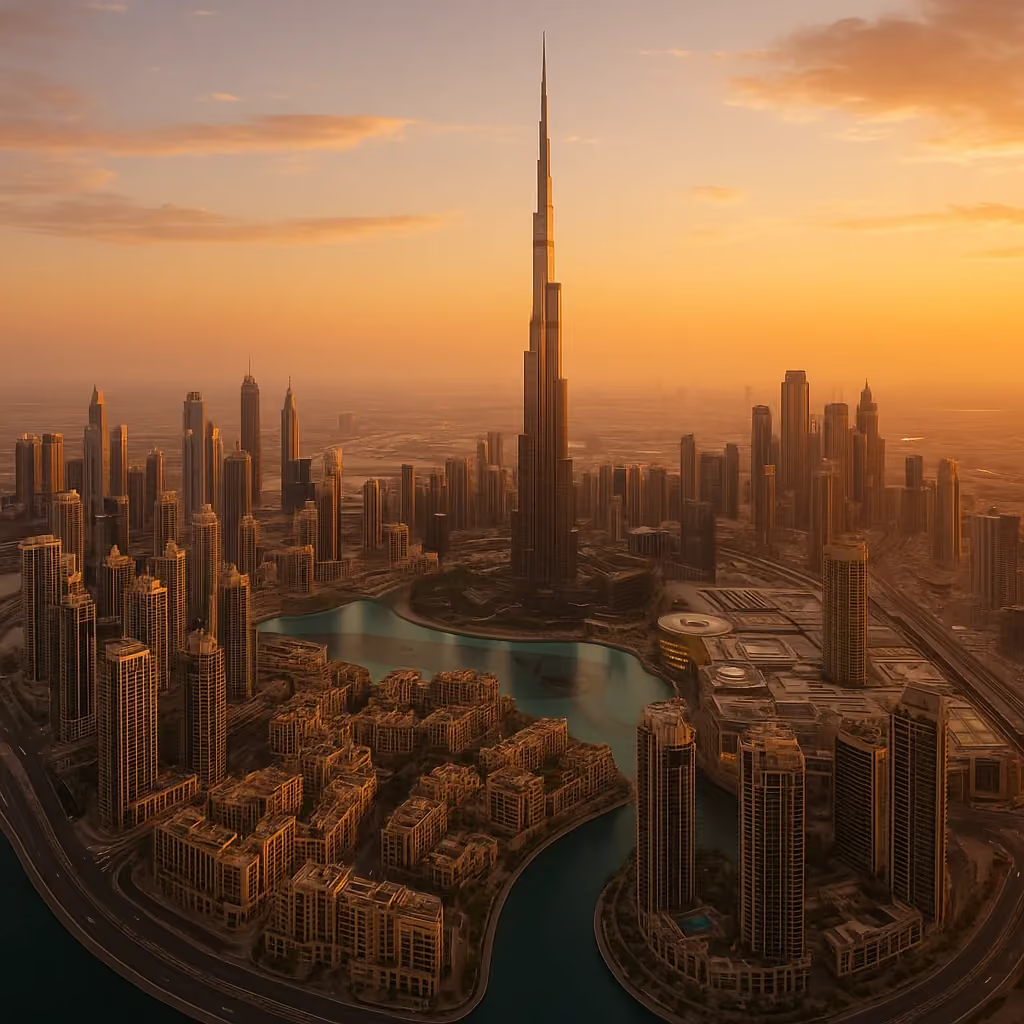
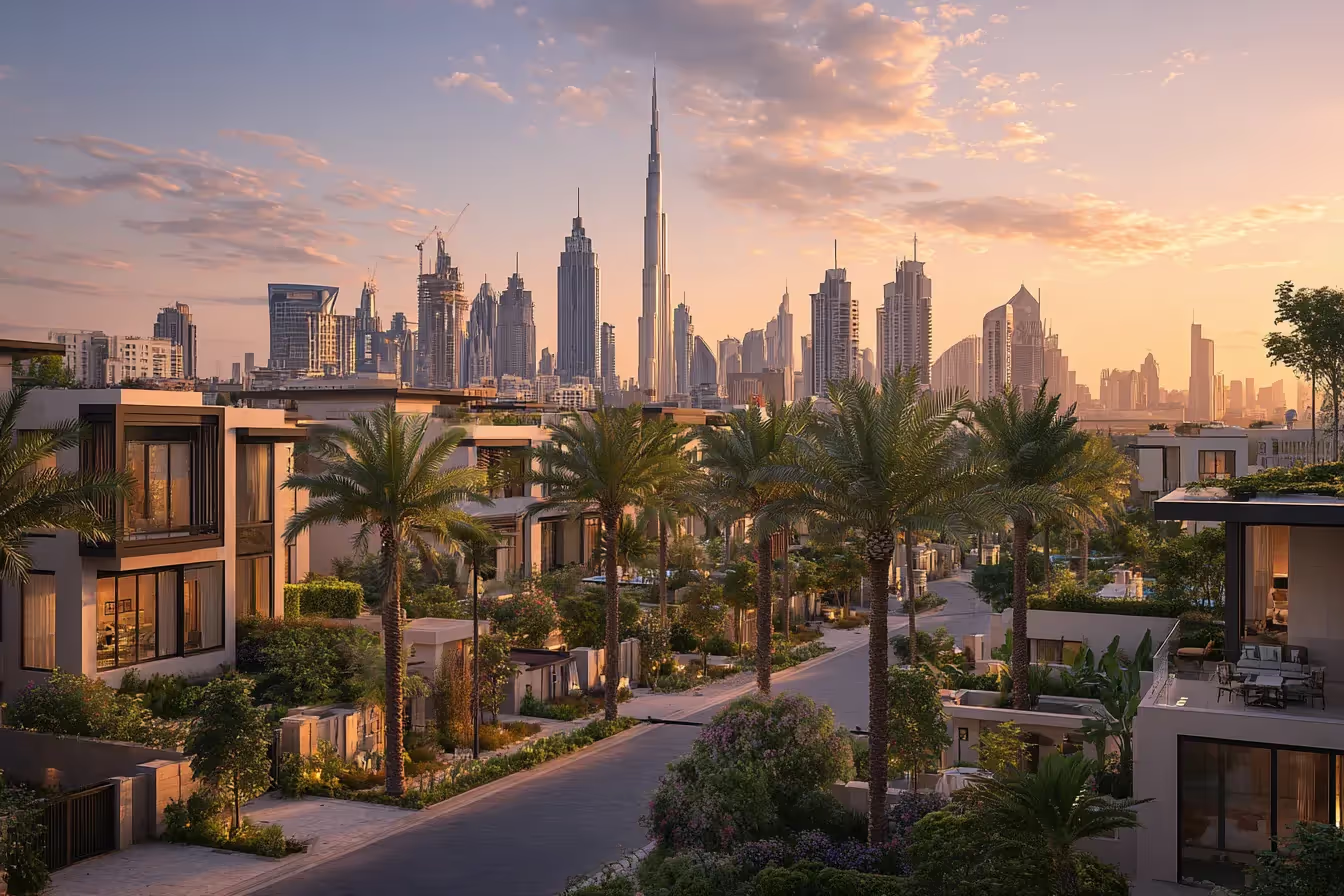
Downtown Dubai is het epicentrum van luxe en staat bekend om de Burj Khalifa, 's werelds hoogste toren. Dit district is gebouwd rondom een indrukwekkend stadsplein en herbergt ook de Dubai Mall, een van de grootste winkelcentra ter wereld. Bewoners van Downtown Dubai genieten van uitzicht op fonteinshows en toegang tot talloze luxe restaurants en hotels. Deze premiumlocatie is met name populair bij investeerders die mikken op high-end appartementen en penthouses met uitstekende rendementen.
De prijzen in Downtown Dubai liggen over het algemeen hoger dan in sommige andere delen van de stad, maar de vraag naar vastgoed blijft consistent sterk. Volgens Deloitte is de waardestijging in Downtown Dubai over het algemeen stabiel geweest, mede dankzij de toeristische aantrekkingskracht en het prestige van het gebied. Het Dubai Land Department bevestigt ook de aanhoudende interesse van internationale kopers. Wie meer wil weten over het effect van demografische veranderingen kan ons blog raadplegen over de bevolkingsgroei van Dubai. De groeiende bevolking zorgt voor een continue vraag naar premiumwoningen.
Palm Jumeirah
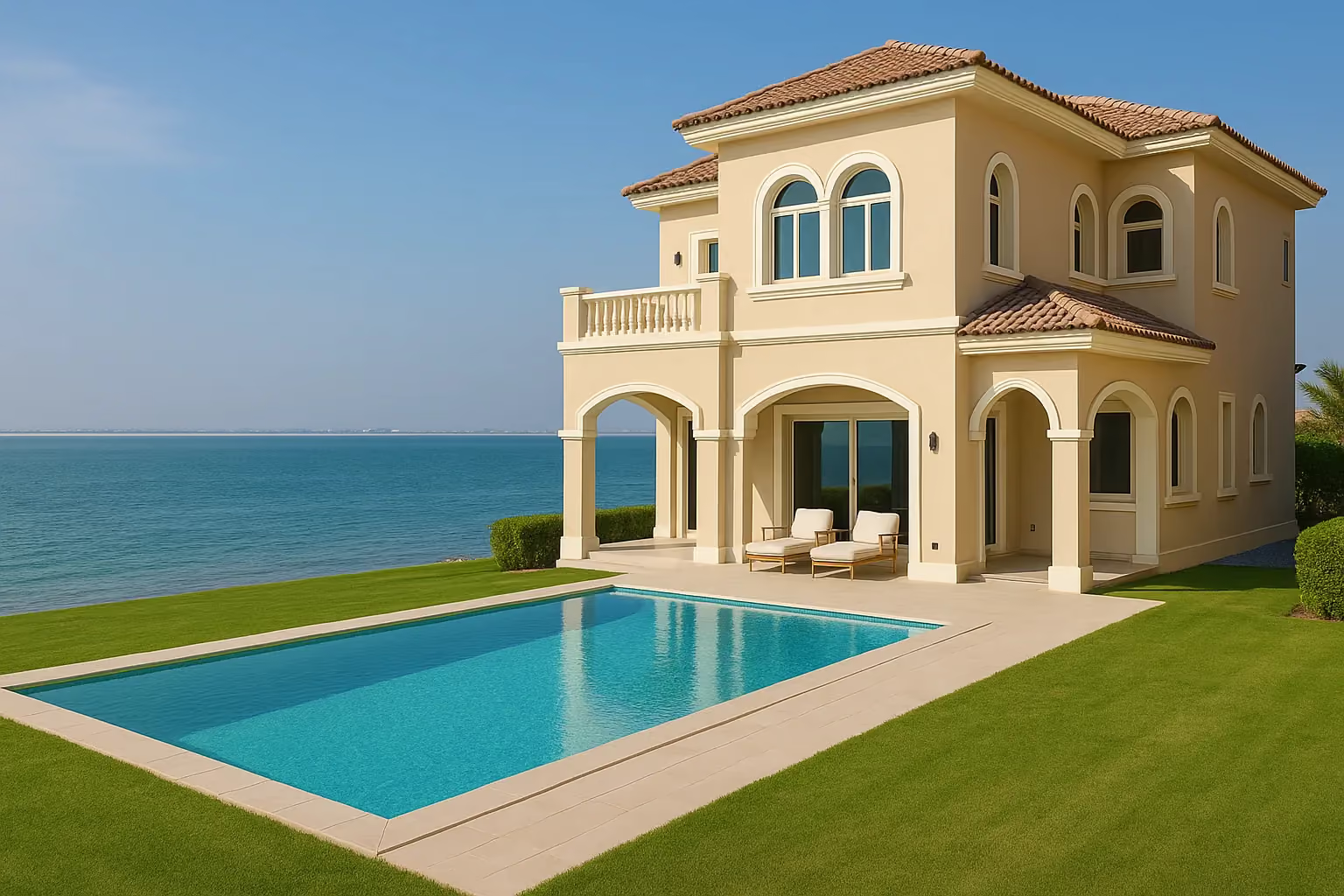
Palm Jumeirah is misschien wel het meest iconische door mensen gemaakte eiland ter wereld. Dit district is ontworpen in de vorm van een palmboom en biedt luxe villa's en waterfrontappartementen. Bewoners van Palm Jumeirah beleven een resort-achtige sfeer met privéstranden, luxehotels en verfijnde eetgelegenheden. De exclusiviteit hier is hoog, wat ook tot uiting komt in de vastgoedprijzen. Toch blijven de vraag en de rendementen sterk, omdat internationale kopers bereid zijn te betalen voor de unieke levensstijl van Palm Jumeirah.
Een van de factoren die de vastgoedwaarden hier blijft aandrijven, is de beperkte ruimte en het hoge prestige van de locatie. Palm Jumeirah verschijnt regelmatig in Gulf News, dat bericht over stijgende prijzen en nieuwe ontwikkelingen. Het rapport van de Global Property Guide benadrukt ook de stabiliteit van dit luxesegment. Palm Jumeirah heeft daarmee niet alleen een unieke aantrekkingskracht, maar ook een grote kans op waardebehoud, waardoor het voor veel investeerders zeer aantrekkelijk is.
Vrijblijvend advies?
Investeren en Rendement
Een belangrijke overweging voor veel kopers is het rendement op hun vastgoedinvestering in Dubai. In Dubai Marina, Downtown Dubai en Palm Jumeirah zijn de huurprijzen vaak hoog terwijl de vraag stabiel blijft. Dit resulteert in potentiële opbrengsten die die van veel Europese steden kunnen overtreffen. Bovendien heeft de Dubaise overheid de afgelopen jaren verschillende maatregelen ingevoerd om buitenlandse investeerders aan te moedigen. Denk aan versterking van het juridische kader, gunstige hypotheekvoorwaarden en vereenvoudiging van vastgoedtransacties.
Wil je een grondige analyse uitvoeren? Lees dan ook de bevindingen van de Global Property Guide. Daar vind je tabellen, grafieken en vergelijkingen van huur- en prijstrends. Bovendien heeft Deloitte voorspeld dat de vraag naar luxe appartementen en villa's de komende jaren zal blijven groeien, mede gedreven door grote expat-stromen en Dubai's aantrekkingskracht als zakelijk centrum. Wie zich afvraagt of regelgeving of het type vastgoed van invloed zijn op het rendement, kan inzicht krijgen door onze post te raadplegen over vastgoedbeheer in Nederland versus Dubai. Daar leggen we uit hoe Dubai, vergeleken met Nederland, een flexibeler en vaak lucratiever klimaat biedt.
In een recente publicatie noemde Deloitte Dubai "een van de snelst groeiende vastgoedmarkten met aanzienlijk potentieel voor brede investeringsstrategieën."
Voor kopers die hun eigendom willen verhuren aan expats of toeristen, spelen kortetermijnverhuur en de Airbnb-markt ook een rol. Dubai heeft specifieke regels voor vakantieverhuur. Deze regels verschillen per gebouw en kunnen van invloed zijn op je rendement. Controleer daarom altijd bij je vastgoedmanager of kortetermijnverhuur van je eigendom is toegestaan. Naast huurrendement is de mogelijke waardestijging in de loop der jaren ook een belangrijke motivatie voor veel beleggers.
Veiligheid en Leefbaarheid
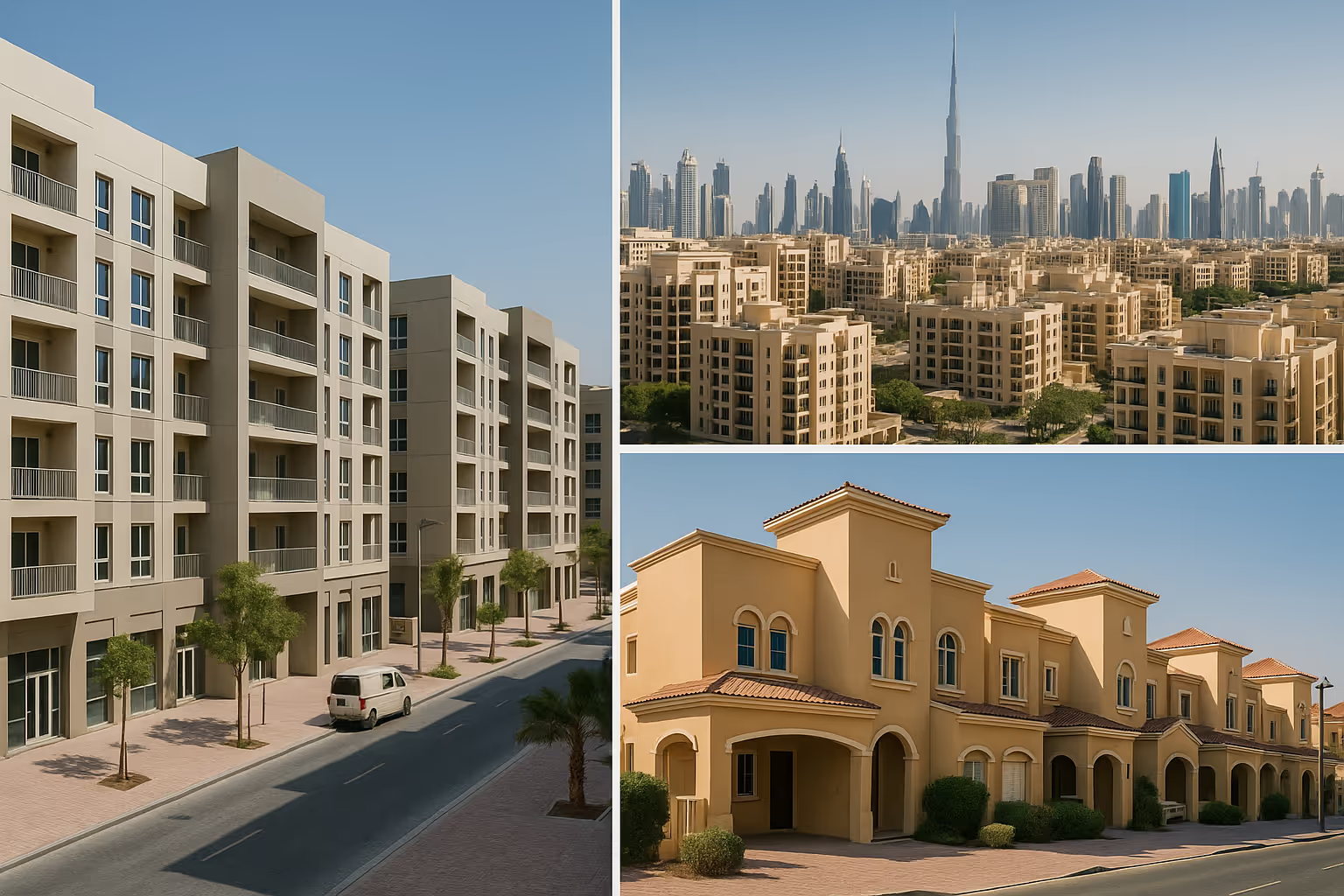
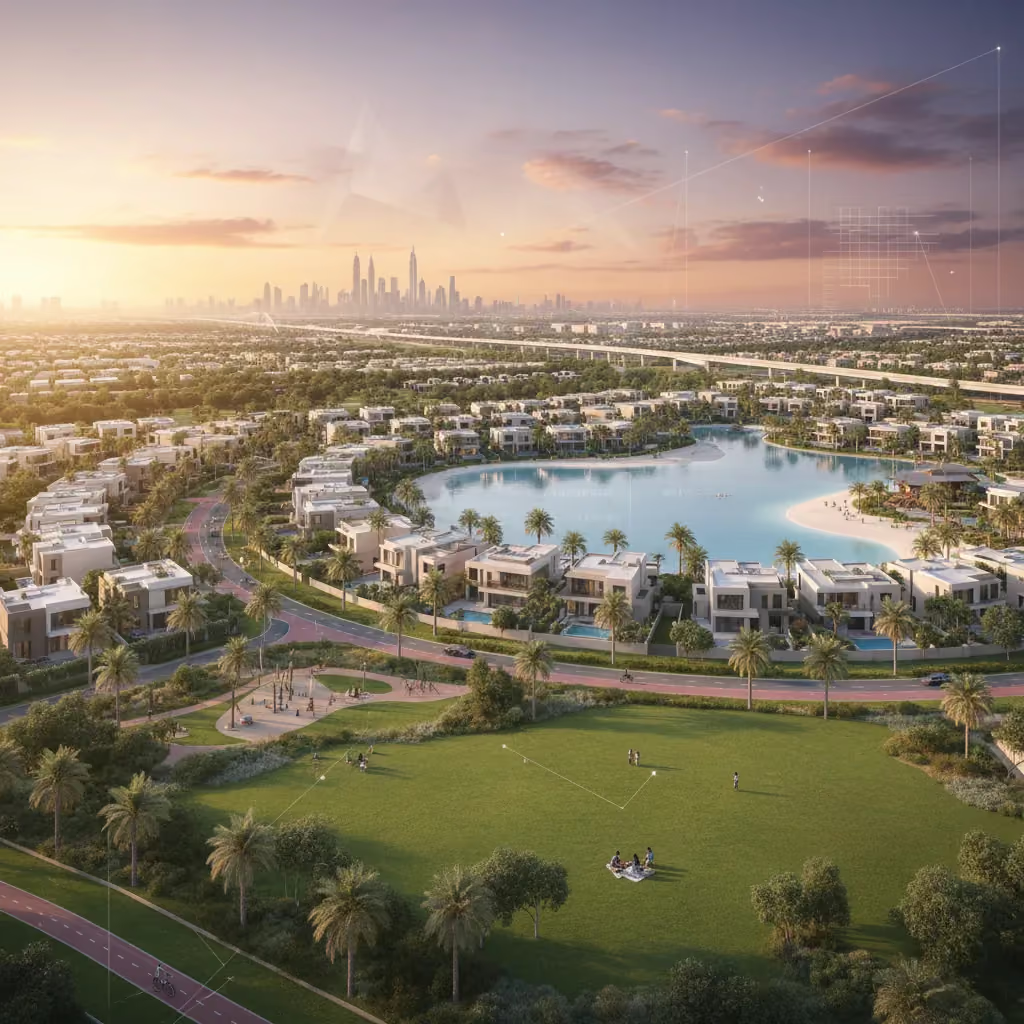
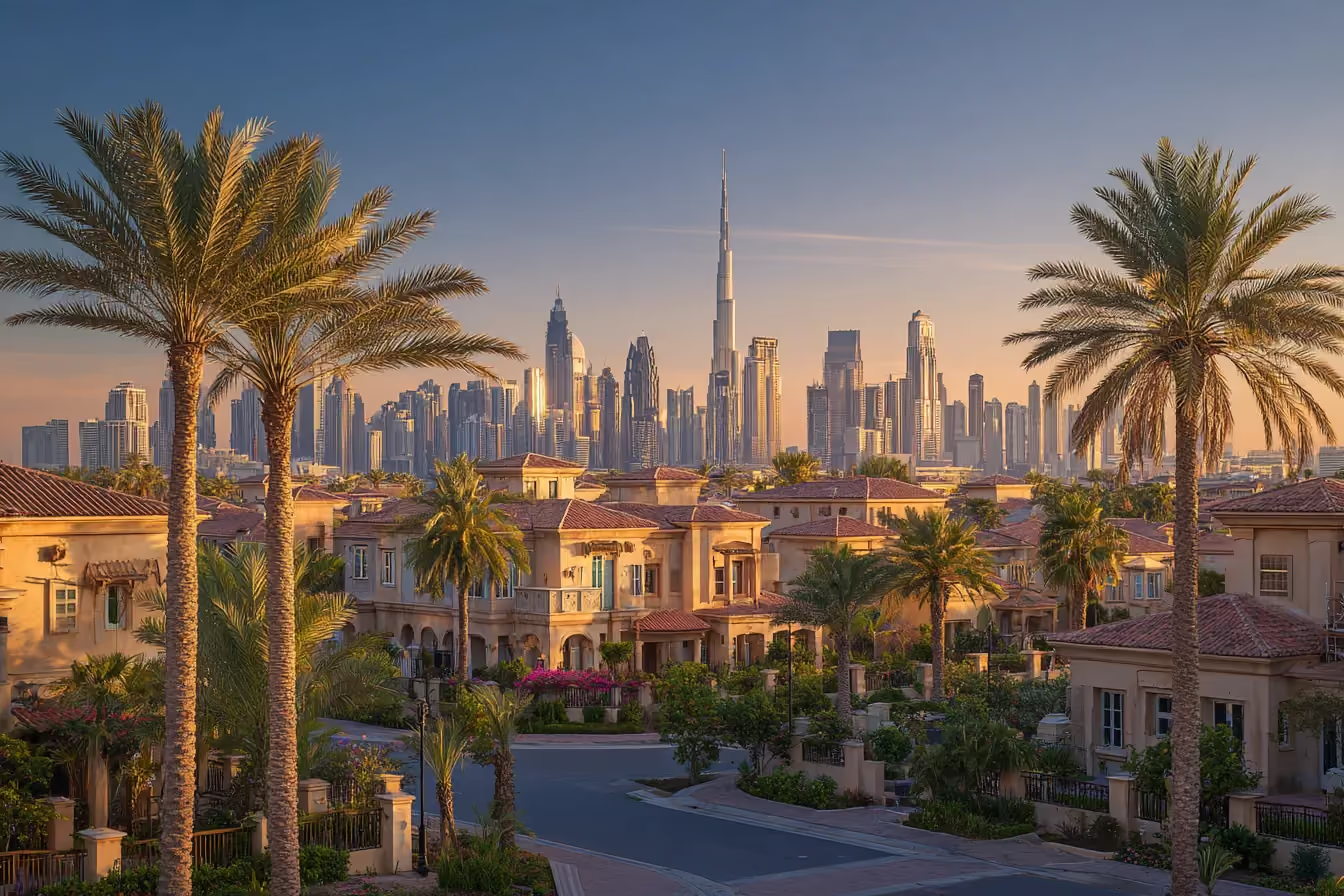
Veilig wonen voor expats in Dubai is over het algemeen goed geregeld. Dubai staat wereldwijd bekend om zijn hoog veiligheidsniveau en strenge handhaving van wetten. Veel buurten hebben ook bewakingscamera's, beveiligingspersoneel bij appartementencomplexen en duidelijke richtlijnen. Dit zorgt ervoor dat expats zich snel thuis voelen, zelfs als zij van ver weg komen. Degenen die waarde hechten aan rustige, gezinsvriendelijke buurten, kunnen buiten de populaire buurten hierboven uitkijken naar gezinsgerichte gebieden net buiten het centrum, zoals Jumeirah Village Circle of Arabian Ranches. Deze buurten bieden vaak grotere huizen en veel scholen in de buurt.
Hoewel elke buurt zijn eigen karakteristieken heeft, blijken zowel Dubai Marina als Downtown Dubai zeer expat-vriendelijk. Volgens gegevens van het Dubai Land Department scoren deze buurten hoog op leefbaarheid en sociale voorzieningen. Je vindt er veel medebewoners uit verschillende landen, wat een werkelijk internationaal karakter creëert. Om beter te begrijpen hoe de stad zich ontwikkelt en wat dat voor expats betekent, bezoek ons blog over de bevolkingsgroei van Dubai. Daar wordt uitgelegd hoe infrastructuurprojecten en nieuwe buurten zijn ontworpen met het oog op een groeiende bevolking.
De Markt Navigeren
Het vinden van de juiste onroerend goed aanbieding kan in Dubai enigszins anders werken dan in sommige Europese landen. Betrouwbare vastgoedagenten spelen een belangrijke rol in dit proces. Controleer altijd of de agent is ingeschreven bij het Dubai Land Department. Op deze manier weet je dat je met een gecertificeerde professional te maken heeft. Daarnaast zijn er bekende onroerend goed websites die een overzicht geven van beschikbare appartementen, villa's en nieuwe ontwikkelingen. Lees de beschrijvingen zorgvuldig door en controleer op servicekosten, parkeerplaatsen, of de eigendom gemeubileerd of ongemeubileerd is, en extras zoals toegang tot een zwembad of fitnesscentrum.
Wil je weten welke documenten of visumaangelegenheden nodig zijn voor permanent wonen in Dubai? Bekijk dan onze praktische tips in het blog over verhuizen met je gezin naar Dubai. Hier wordt uitgelegd welke verblijfsopties beschikbaar zijn, hoe je een familievisum regelt, en welke stappen je moet ondernemen om werknemersvisum te verkrijgen. Als je doel is om rechtstreeks voor de lange termijn te beleggen, biedt het Dubai 2040 Masterplan ook waardevolle informatie over hoe de stad zal uitbreiden en welke infrastructuurprojecten in de pijplijn zitten. Zo kun je vooruitlopen op toekomstige waardetoenames in opkomende gebieden.
Bij het evalueren van diverse aanbiedingen is het verstandig vragen te stellen over de betrokken ontwikkelaar, de bouwkwaliteit en eventuele garantietermijnen. In Dubai zijn projecten van grote ontwikkelaars over het algemeen betrouwbaar, en eventuele bouwgebreken zijn goed verzekerd. Let ook op extra kosten, zoals registratiekosten bij het Dubai Land Department, makelaarshonoraria, en mogelijke jaarlijkse servicekosten. Deze factoren kunnen per project en buurt aanzienlijk variëren. Pas als je alle kosten en voorwaarden in kaart hebt gebracht, kun je een goed geïnformeerd besluit nemen.
Conclusie
De zoektocht naar de beste locaties voor onroerend goed in Dubai voert je door buurten zoals Dubai Marina, Downtown Dubai en Palm Jumeirah. Dit zijn gebieden die hoog scoren op het gebied van luxe, veiligheid en mogelijke rendementen. Desondanks zijn er ook andere buurten die, afhankelijk van je persoonlijke voorkeuren, een goed keuze zouden kunnen zijn. Denk aan opkomende wijken met aantrekkelijke nieuwe ontwikkelingen, of rustigere enclaves waar gezinnen zich thuis voelen. Het is belangrijk om altijd je eigen doelen voor ogen te houden: zoek je naar een aangenaam woonmilieu, streeft je naar huurinkomsten, of plant je voor langetermijnwaardegroei?
Ongeacht je motivatie, Dubai blijft een stad in beweging, vol plannen en investeringen in infrastructuur, technologie en toerisme. Het Dubai Land Department speelt een centrale rol en biedt vertrouwen aan kopers van binnen- en buitenland. De zichtbare groei en ambitieuze projecten, zoals het Dubai 2040 Masterplan, wijzen op een gunstig klimaat voor investeringen. Blijf echter altijd kritisch en zoek begeleiding van experts die vertrouwd zijn met de vastgoedmarkt. Op deze manier haalt je het meeste uit je budget en vergroot je de kansen op een succesvolle, duurzame investering.
Veelgestelde Vragen (FAQ)
Hoe bepaal ik welke locatie het best voor mij geschikt is?
Stel eerst je prioriteiten vast: rendement, wooncomfort, of een combinatie van beide. Zoek vervolgens naar buurten die aansluiten bij je budget, gewenste voorzieningen en bereikbaarheid. Het is verstandig informatie te verzamelen van gecertificeerde agenten en openbare bronnen zoals het Dubai Land Department.
Is beleggen in Dubai risicovol?
Elke investering draagt risico met zich mee, maar Dubai heeft een stabiel juridisch kader en een groeiende economie. Door de sterke vraag naar onroerend goed, en dankzij verschillende stimulansen voor buitenlandse kopers, wordt het risico door velen als beheersbaar beschouwd. Onderzoek echter altijd grondig de projectstatus, de ontwikkelaar en marktoriëntering.
Welke documenten zijn nodig om onroerend goed te kopen?
Je hebt een geldig paspoort en in veel gevallen bewijs van de herkomst van je financiële middelen nodig. Daarnaast zijn registratiedocumenten vereist bij het Dubai Land Department. Diegenen die permanent willen verhuizen, kunnen aanvullende informatie vinden in onze visumgids voor Nederlandse burgers.
Levert een woning in een luxe buurt altijd hoger rendement op?
Over het algemeen trekken luxe buurten hogere huurprijzen aan en zijn populair bij expats, wat vaak tot stabiele rendementen leidt. Een opkomende buurt met lagere inkoopprijzen kan echter ook sterke waardegroei vertonen. Verken daarom meerdere buurten en vergelijk de beschikbare gegevens van bronnen, waaronder Global Property Guide en Deloitte.
Is kortetermijnverhuur (Airbnb) in deze buurten toegestaan?
Dit varieert per gebouw en buurt. Sommige appartementencomplexen staan kortetermijnverhuur toe, terwijl andere eigenaarsvereenigingen strengere regels handhaven. Controleer daarom bij de relevante vastgoedmanager of in de projectdocumentatie. Houd ook rekening met eventueel vereiste vergunningen en lokale regelgeving.
Meer weten over investeren in V.A.E. vastgoed?
Wil je dit onderwerp toepassen op jouw situatie? Download de gratis Dubai vastgoed gids, bekijk het actuele Dubai vastgoed aanbod of plan een gratis gesprek met Dubai-Property.nl.

Get to know more about us.


























.png)
.png)








.avif)
.avif)




.svg)
.svg)
Direct een gesprek inplannen?
.svg)